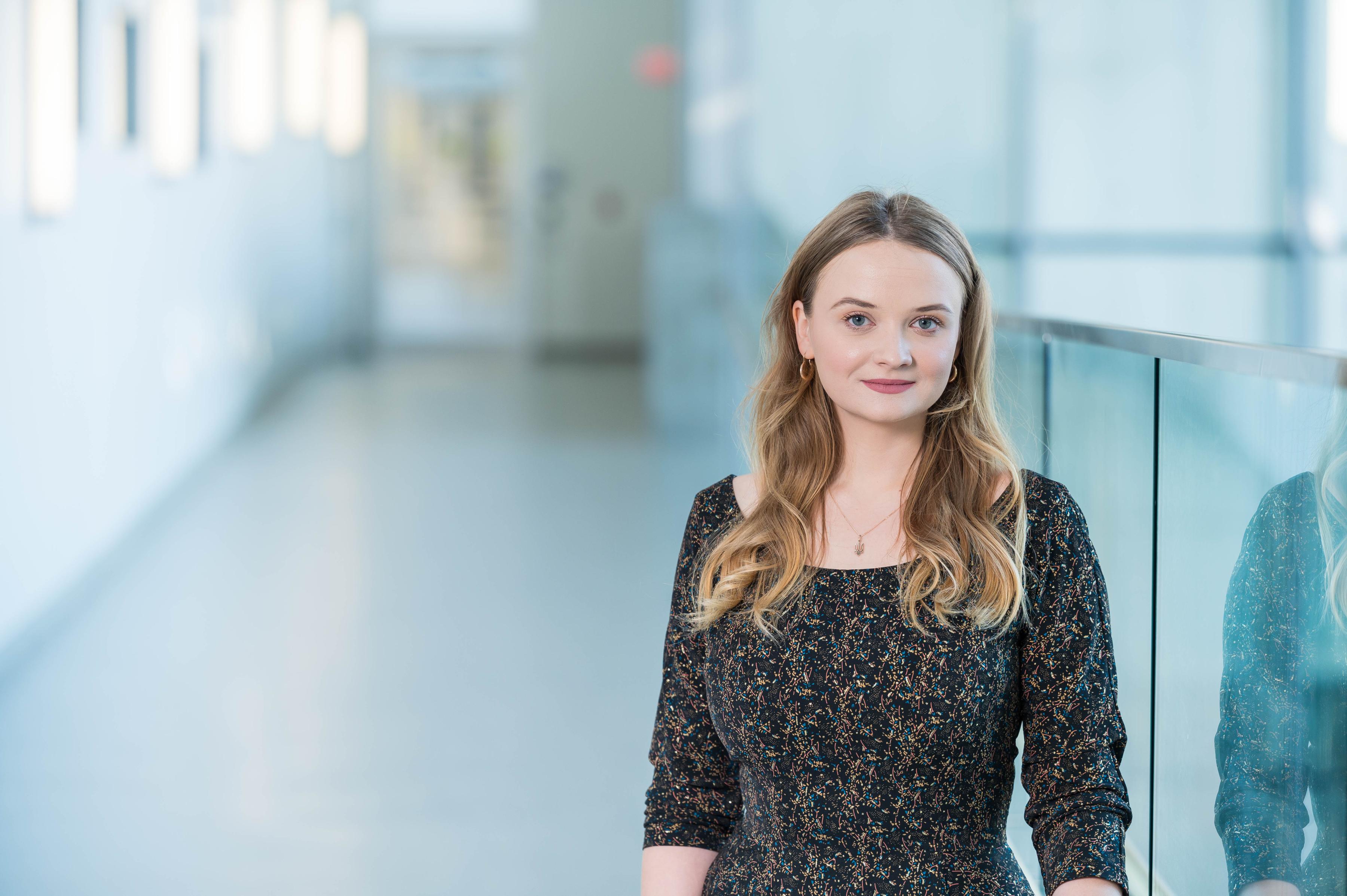
Tetiana Poliakova
Why did you decide to pursue a graduate degree?
As a translational researcher, I have a strong focus on improving the validity of using in vivo models to study human disease and on proper knowledge dissemination to promote evidence-informed decision-making in healthcare. After obtaining my master's in biomedicine, I realized I wanted to pursue a PhD so I could advance my career as a translational researcher and become an independent scientist.
Why did you decide to study at UBC?
I was recruited to UBC by my supervisor, Dr. Cheryl Wellington, shortly after I evacuated the full-scale invasion of Ukraine by Russia and was unable to continue my training back home. Cheryl recruited me via the Science For Ukraine NGO, run by volunteer researchers and students from academic institutions in Europe and around the world. Their mission is to support the Ukrainian academic community in surviving Russia’s war and to help ensure the continuity of Ukraine's science and strengthen its presence in the international science arena.
What is it specifically, that your program offers, that attracted you?
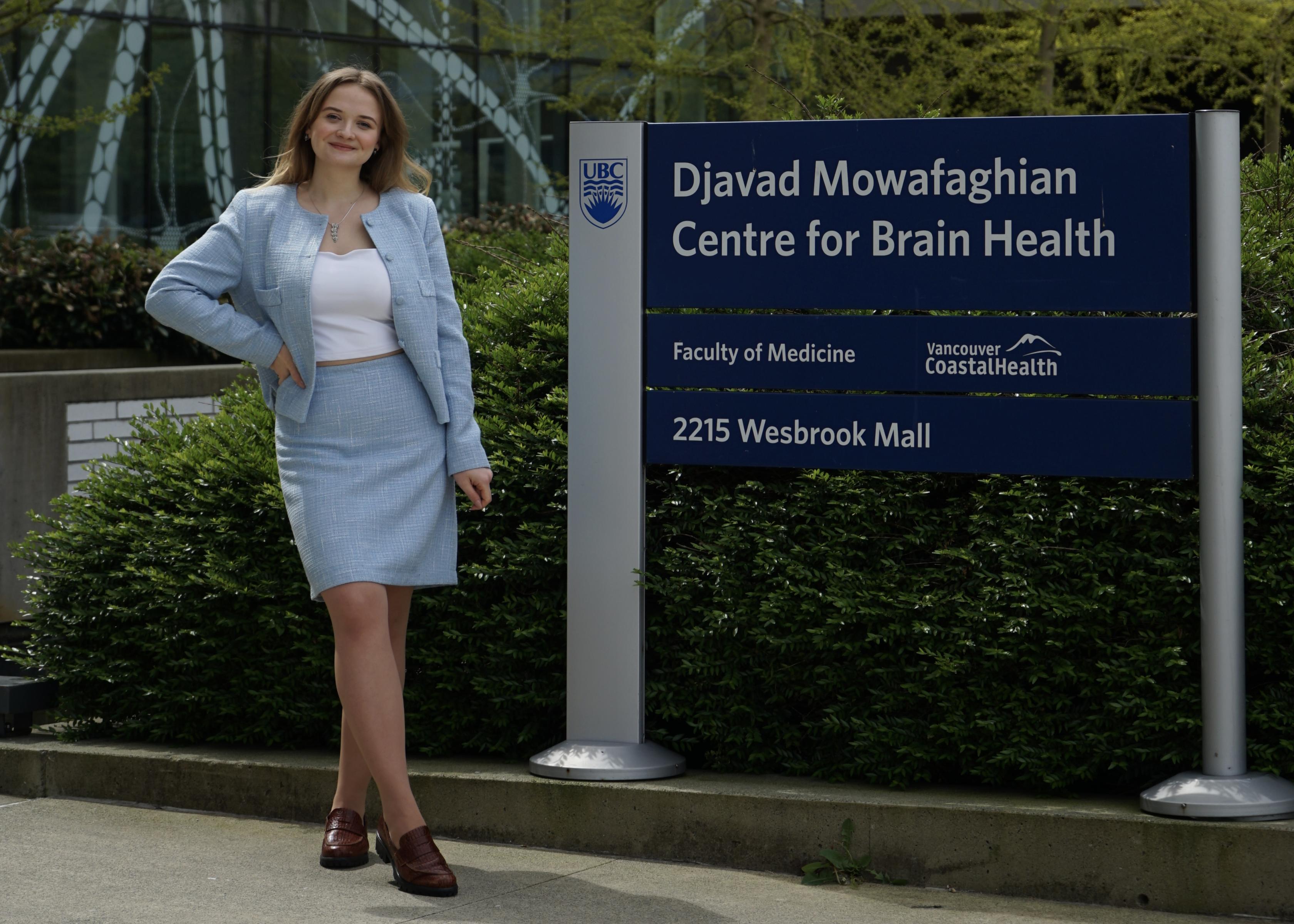
There is a lot of cutting-edge, exciting neuroscience research at UBC, which is recognized worldwide. I was delighted to continue my training among renowned scientists and talented trainees. I also appreciated that collaborations are strongly encouraged at the Djavad Mowafaghian Centre for Brain Health.
What was the best surprise about UBC or life in Vancouver?
I have made incredible friends in my program, and I am deeply grateful for the support we give each other. Graduate school is challenging, but having friends who lift you up during tough times, celebrate your successes, both big and small, and share regular coffee runs is invaluable.
What aspects of your life or career before now have best prepared you for your UBC graduate program?
I became an international student when I was only 16 after winning a highly selective Future Leaders Exchange Program in the United States, where I also pursued my undergraduate degree. I obtained my master's degree at Karolinska Institutet in Sweden, where I had a chance to pursue other international opportunities, such as a semester abroad at the University of Edinburgh in Scotland. I believe my international experiences in institutions that celebrated diversity made me the researcher I am today with a versatile skillset, strong critical thinking, and open-mindedness.
What do you like to do for fun or relaxation?
I like to do yoga and sew my own clothes when I get a break from the lab. I am also the VP Social for the Neuroscience Trainee Association and I like to plan events to build a stronger community within our program.
What advice do you have for new graduate students?
Don't hesitate to ask for help! No matter how trivial you think your question or issue might be, chances are, someone else has faced the same struggle. Most people are more than willing to assist, but they won't know you need support unless you reach out.