Sheila Giffen
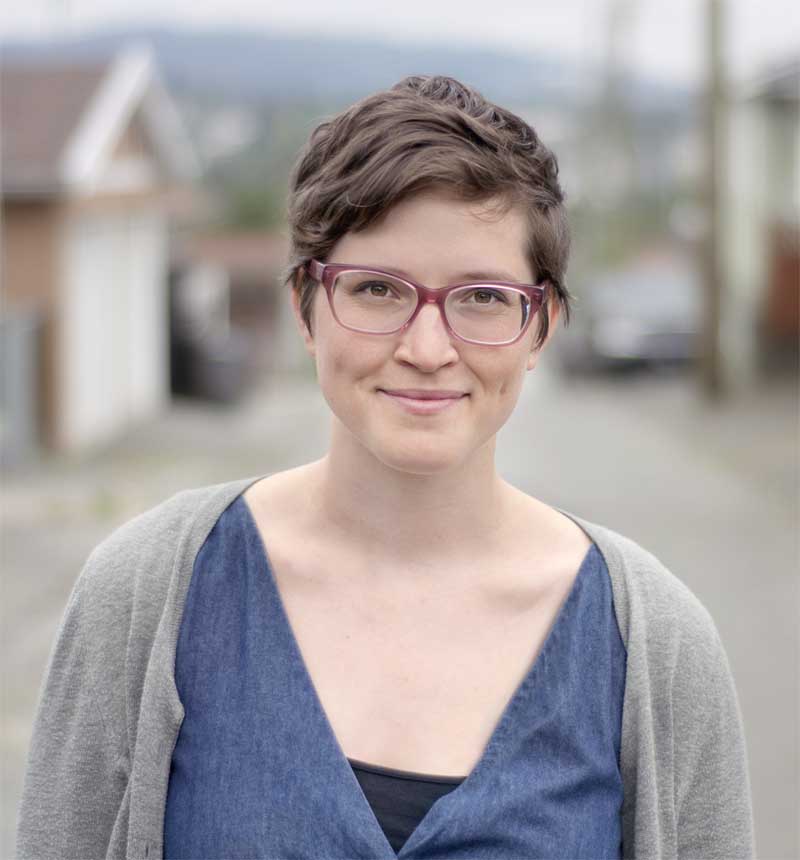
Why did you decide to pursue a graduate degree?
I chose to pursue a graduate degree because it allows me the time, space and resources to explore research questions that I care deeply about. I’m also grateful for the opportunity to learn from outstanding faculty members at UBC who continue to guide and inspire my work.
Why did you decide to study at UBC?
I chose to pursue my PhD at the University of British Columbia, where I received my Master’s in 2013, because of its unmatched academic strengths in critical race studies, Indigenous studies and postcolonial studies, paired with the University’s strong commitment to community engagement and social justice. Studying at UBC gives me the opportunity to work with scholars in the English department and to make connections in interdisciplinary programs including the Institute for Gender, Race, Sexuality and Social Justice, First Nations and Indigenous Studies and Science and Technology Studies. In addition to being a top research institution with expertise in the fields germane to my study, UBC is also dedicated to social justice work and fosters scholarship rooted in and emerging from community-based research.
Learn more about Sheila's research
In my dissertation, The Turn to Sacred Address in Transnational HIV/AIDS Writing, I suggest that writers from the U.S. and South Africa reach for spiritual figures in literary responses to pandemic to create space for liveability faced with death’s nearness. Working at the intersections of medical humanities, postcolonial theory, and critical sexuality studies, my work draws on a multi-racial and global archive of writing that stretches across borders and genres. The writers I study (Assotto Saint, K. Sello Duiker, Leslie Marmon Silko, Phaswane Mpe, David Wojnarowicz) are responding to AIDS as a crisis of biopolitical subjection that has roots in longer histories of colonial disease and racialized medicine. In turning to the sacred in creative expression, these writers unravel the hierarchies of care that extend from colonial and racial violence. Guided by anti-colonial and feminist approaches to subjectivity, politics, and power, I theorize “sacred address” as a relational scene of speech and writing that opens up possibilities for life and survival from within conditions of modern biopolitical subjection.