Archived Content
This student profile has been archived and is no longer being updated.
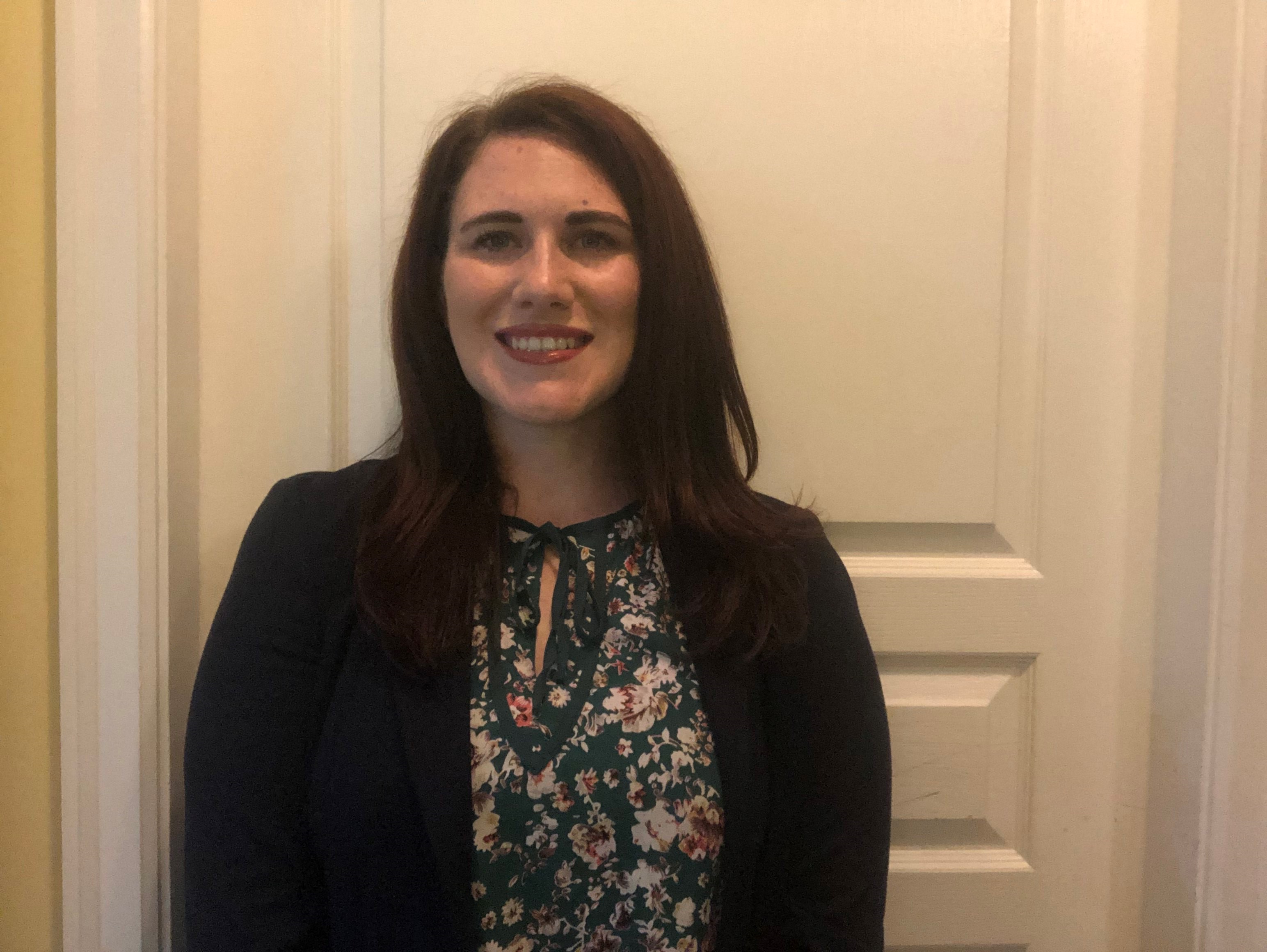
During my undergraduate degree in integrated engineering, I was exposed to the world of biomedical engineering. From this exposure, I decided to continue my education by undertaking a master of engineering degree. During my MEng, I took a class with Dr. Cheung and became fascinated with the BioMEMS field. I was then given the privilege to join her lab and complete my MEng internship. However, before completing my internship I was offered the chance to transfer into the MASc program and approximately one year later was offered the chance to transfer into the PhD program.
UBC is recognized as a leader in biomedical engineering research. I chose to study at UBC so that my research would be a part of the amazing community.
I was originally attracted to the Biomedical engineering program because of how multidisciplinary the program is. It has a wide range of research areas and offers amazing courses. Once in the program, I was then attracted to the Engineers in scrubs program. The engineers in scrubs program is unique to UBC, allowing students to gain first-hand experience in the clinical environment working alongside clinicians to develop technology that helps the medical field.
There are so many fun outdoor activities to do. I love the outdoors so I was pleasantly surprised to find out how many amazing hikes, campsites, and ocean activities are close to the university.
I enjoy working alongside incredibly talented individuals and learning each and every day.
I see my biggest challenge being the transition from the academic environment into industry if I choose to pursue a career in industry rather than research.
I believe that the program is preparing me extremely well for challenges. Although my research is in the academic setting I work alongside many industry members and I am consistently exposed to the industry setting. Although I may not have extensive work experience in industry, when I graduate I know that my education and experience working alongside industry members with help in my transition and make me an asset.
I was fortunate enough during my undergraduate degree to participate in a lot of design projects where I worked with others to build and test various designs and devices. This greatly prepared me for research. Also, my undergraduate degree was multidisciplinary in nature and exposed me early on how taking a multidisciplinary approach to a problem can be beneficial. It taught me the importance of being a lifelong learner.
Hiking, camping, swimming, kayaking, rugby, and running.
I would tell new graduate students to enjoy the learning experience and take the time during their degree to expand their network. There are so many amazing opportunities to meet people in and out of your field (i.e. seminars, conferences, Graduate Student Society events).
Development of a microfluidic tri-culture model that incorporates a novel 3-dimensional extracellular matrix composed of a biodegradable membrane and lumen- patterned, cell-embedded hydrogel. The device aims to replicate the microarchitecture and microenvironment of the human airways to provide a tool to investigate biomarkers and therapeutics for Chronic Obstructive Pulmonary Disease.