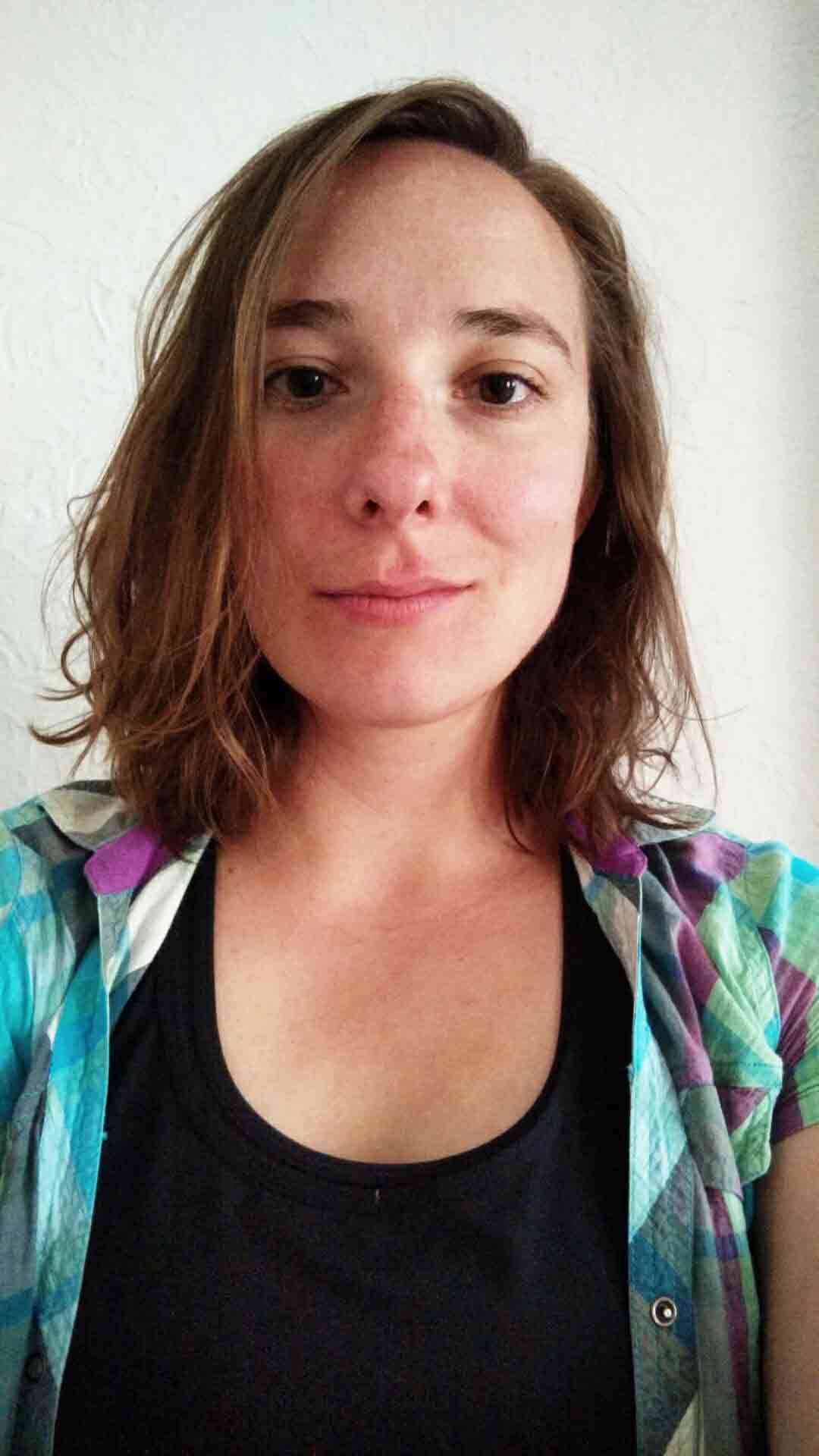
Kate Smith
Why did you decide to pursue a graduate degree?
After completing my MSc in 2010, I worked for the State of WI as an analytical chemist for nearly seven years: first in a chemistry/toxicology laboratory for veterinary diagnostics (analysis of heavy metals, pesticides, PCBs, etc.), and then as the primary analyst charged with running and maintaining a Thermo Neptune Plus MC-ICPMS (an incredible mass spectrometer for analyzing isotopic compositions) at the WI State Laboratory of Hygiene. I was always hungry for new analytical challenges and decided that I wanted to learn how to reliably and effectively secure research funding. Returning to school to earn a Ph.D. seemed like an excellent route to achieve those goals. Additionally, recent changes in the political climate in the USA have led to an unfortunate increase in anti-science and anti-intellectualism mentalities. This helped motivate me to go back to school to make some contributions, however small, to my field. I am more inspired than ever to become involved with outreach and teaching to improve the understanding and appreciation of STEM fields among students, the general community, and policymakers.
Why did you decide to study at UBC?
UBC is a world-renowned research university, and it happens to be located in one of my favorite cities. I like the climate in the Pacific Northwest and the beautiful scenery of the Northern Cascade Range. Additionally, Canada is a great place to live!
What is it specifically, that your program offers, that attracted you?
My advisor, Dr. Dominique Weis, is the director of the Pacific Centre for Isotopic and Geochemical Research (in the Dept. of Earth, Oceanic, and Atmospheric Sciences), which is the most amazing facility for isotopic research that I have ever visited. As a chemist, I am impressed by the wide selection of mass spectrometers and the collective knowledge of the specialists and analysts working here. Additionally, the post-docs and students I met when visiting all had positive things to say about the program, the facility, the department, and the City of Vancouver!
What was the best surprise about UBC or life in Vancouver?
I'm particularly impressed by how "green" and healthy Vancouver is. The city has an excellent transit system, embraces sustainable practices, and seems full of healthy, happy people. Another bonus is the selection of great food, especially sushi!
What aspect of your graduate program do you enjoy the most or are looking forward to with the greatest curiosity?
This project involves sampling honey and other bee products directly from the hive. With over 17,000 bee hives in the Greater Vancouver Regional District, I will have the opportunity to work with a diverse group of local beekeepers and urban gardeners as I collect samples over the next few years. Working closely with the community (not to mention working with bees!) was not something I expected to do while working on a PhD in Geochemistry! This unexpected change in my career pathway has lead to so many new opportunities and situations that I probably would not have experienced otherwise!
What aspects of your life or career before now have best prepared you for your UBC graduate program?
I think working for several years before going back to school has helped solidify my decision to return to academia. It can be a very difficult decision for some, especially because earning a PhD is a very long road with possibly limited returns (in some cases, depending on the field of study, career goals of the individual, etc.). I had the luxury of working just long enough to see that earning a PhD would help me obtain my desired career goals.
What do you like to do for fun or relaxation?
I enjoy hiking, mountain biking, and exploring metro Vancouver. The easy access to incredible places to hike, bike, and ski was certainly a nice surprise.
Learn more about Kate's research
This research explores the impacts of environmental pollution using honey bees as bioindicators. Trace element and isotopic fingerprints of honey samples (and other bee products) from the greater Vancouver area serve as a proxy for chemical snapshots of ~2-3 km-diameter regions (the range of a typical honey bee). Thus, we can assess small-scale variations in trace elements, and their isotopes, of particular interest to pollution processes. I'm interested in certain heavy metals, of which elevated concentrations in the environment are directly related to anthropogenic activity, e.g. Pb, Zn, Cu, Cd, Mn, etc. In general, I am interested in applications of isotope (geo)chemistry at the intersection of environmental and public health.