Archived Content
This student profile has been archived and is no longer being updated.
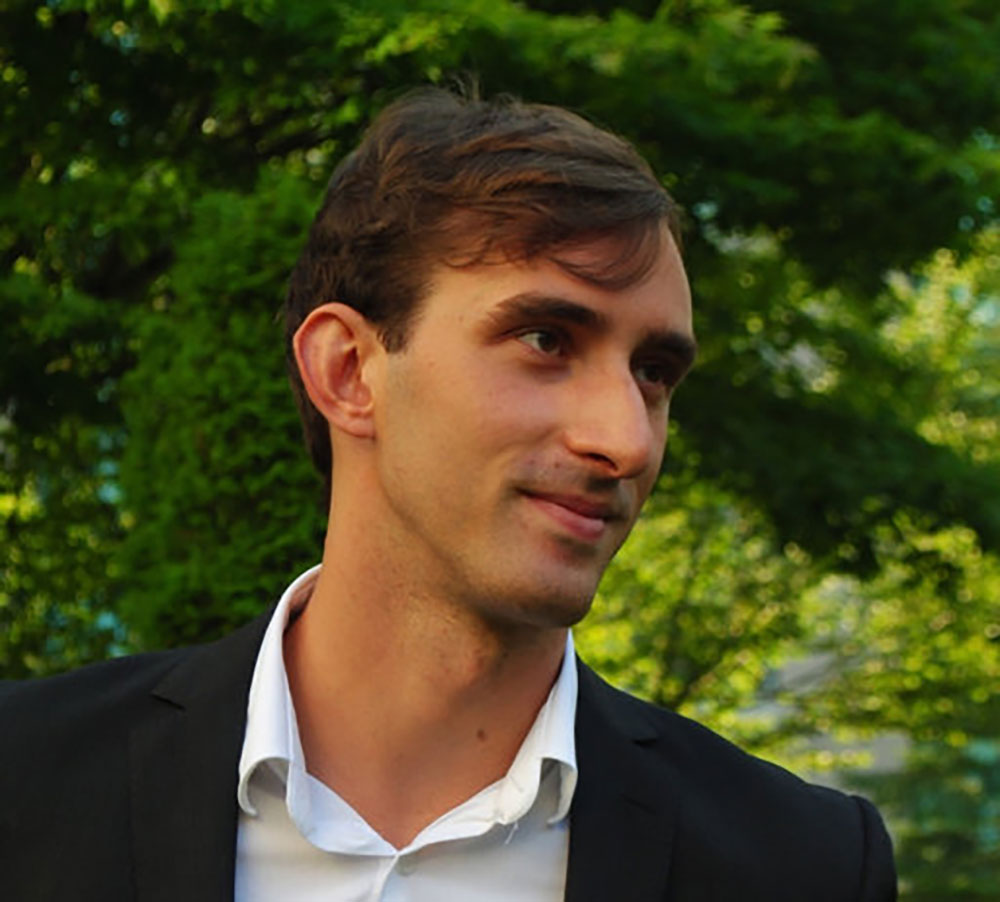
I wish to pursue a career in research and academia, thus I have decided to further pursue my studies. In addition, there are and have been countless opportunities that I would not have been provided without pursuing a graduate degree, such as various research opportunities, business opportunities, and networking opportunities.
As I finished my undergraduate degree at UBC and conducted undergraduate research, I felt that continuing on to complete my Master of Applied Science at UBC as well would provide me with the best environment for success, due to my already developed network and professional connections.
A strong research faculty in the area of communications, signal processing, and machine learning.
The continuous exposure and accommodation for research-based scholarships and awards.
As someone coming from a high-level competitive sports background, I feel what I have learned through constant practice and competing has facilitated a strong foundation for working hard in school and likewise now in research.
Sports, a lot of sports, including hockey, flag football, tennis, skiing, and golf. Hanging out with friends, working out, going to theatre shows or art festivals/shows.
Research is tough and sometimes you have to take a few steps back and re-evaluate a certain approach to a problem. But regardless, negative results are good results! You just have to stay focused and keep pushing.
Ship-radiated noise in the underwater acoustic wireless channel causes challenging conditions to achieve robust and high data rate communication. To this end, multi-carrier systems such as Orthogonal Frequency-division Multiplexing (OFDM) are used to achieve high data throughput, however, these systems can be severely degraded due to perturbing interference. In order to combat the interfering effects of ship-radiated noise, a data-driven study using publicly available data and experimental data is conducted. We investigate the use of unsupervised and supervised machine learning methods for shipping noise estimation and suppression.