Archived Content
This student profile has been archived and is no longer being updated.
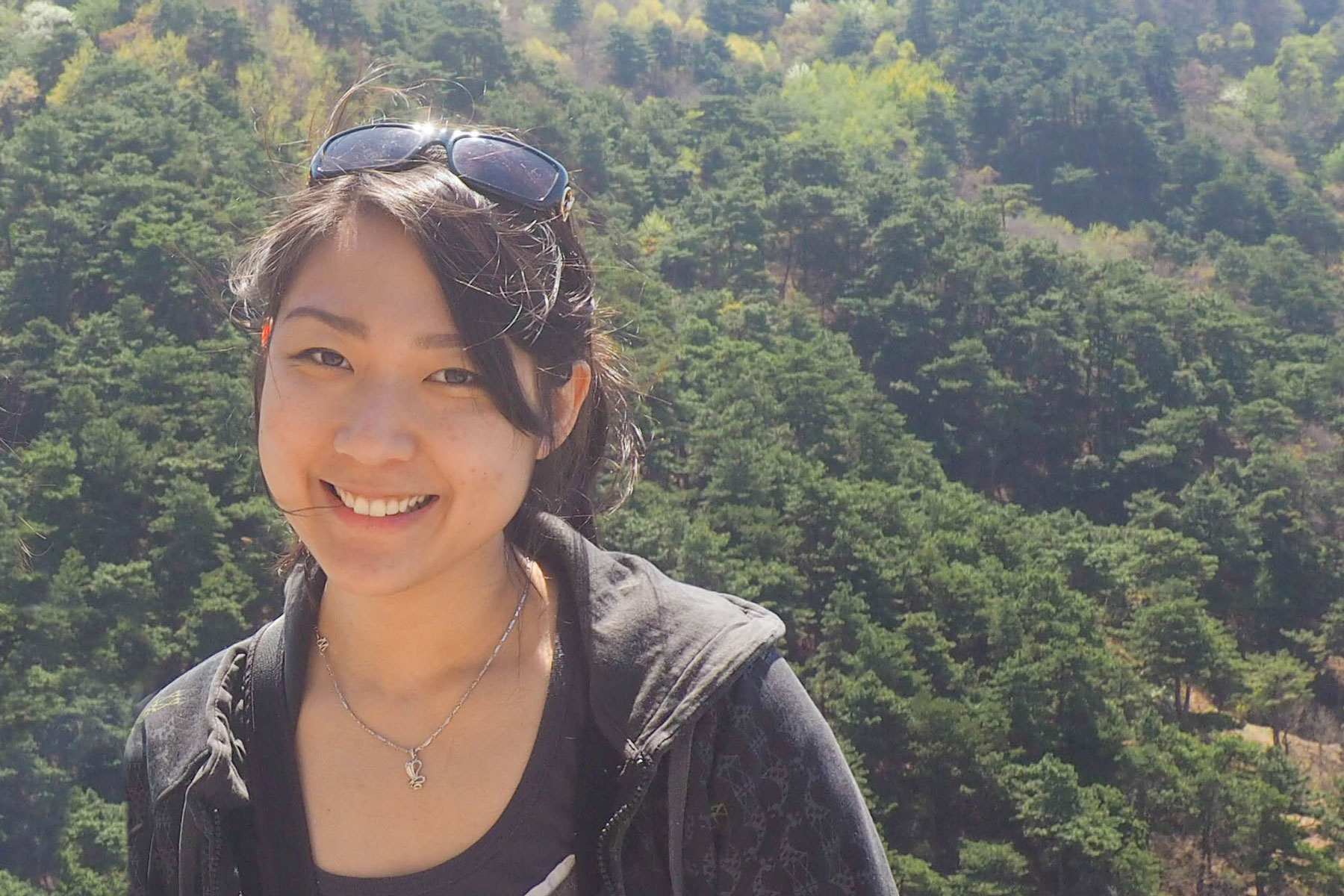
Since my first co-op position studying acute promyelocytic leukemia, I knew I would be pursuing a career in cancer research. Over the years, I was fortunate to have incredible research mentors who inspired me to pursue a combined MD/PhD degree. I enjoy the challenges of research and the process of discovery. I hope to integrate research with clinical medicine to provide new treatment options for patients with cancer.
I completed my undergraduate degree in Biotechnology at UBC, during which I was able to become more involved with its research community. UBC is one of world’s biggest research hubs and its connections to the world's research stage is truly impressive. In addition, its excellent MD/PhD program will prepare me to succeed as a clinician scientist.
The MD/PhD program provides an incredible amount of support for their students. This well-organized program provides students the flexibility and resources to excel in both medicine and research. My hosting department, pathology and laboratory medicine, also has an organized structure to support all its students and ensure their success.
Since I did my undergrad in UBC, I'm pretty used to life in Vancouver and the UBC campus. However, I was pleasantly surprised about how great the new aquatic center is!
I enjoy the outdoors as well as painting.
Identify mentors who not only will guide you in your research, but also someone you can aspire to and trust. Research can have rough patches, having great mentors and peers to support you will make a world of difference. I was fortunate to work with many life-long mentors who had and will continue to guide me in my professional and personal development. Persistence is also important. Don’t be afraid of failures, instead, turn them into learning experiences.
Ovarian cancer is the leading cause of death for women from cancers, with about 25,000 women diagnosed in North America each year. Ovarian cancer is divided into subtypes based on molecular characteristics and clinical outcome. Although we have understood ovarian cancer as many diseases, the treatment has remained the same for the past 30 years for all subtypes--untargeted platinum-based chemotherapy. Clear cell ovarian cancer (CCOC) is the second most common subtype of ovarian cancer affecting many women. At late stage, it is more aggressive and resistant to current chemotherapy compared to other subtypes. Although deadly, CCOC is still not well understood and lacks effective targeted therapy. Existing molecular and genomic studies suggest that it is a metabolically driven malignancy, but its metabolic profile has not yet been studied. My PhD project will be the first characterization of a large cohort of clinical cases of CCOC using protein expression in conjunction with global metabolite profiling. Understanding of the altered metabolism in CCOC will revolutionize the ovarian cancer research community and provide strong foundations on which to build further discoveries. Most importantly, we hope that identifying targetable metabolic pathways will guide the development of more effective therapies to help patients with this deadly disease.