Ross Swanson
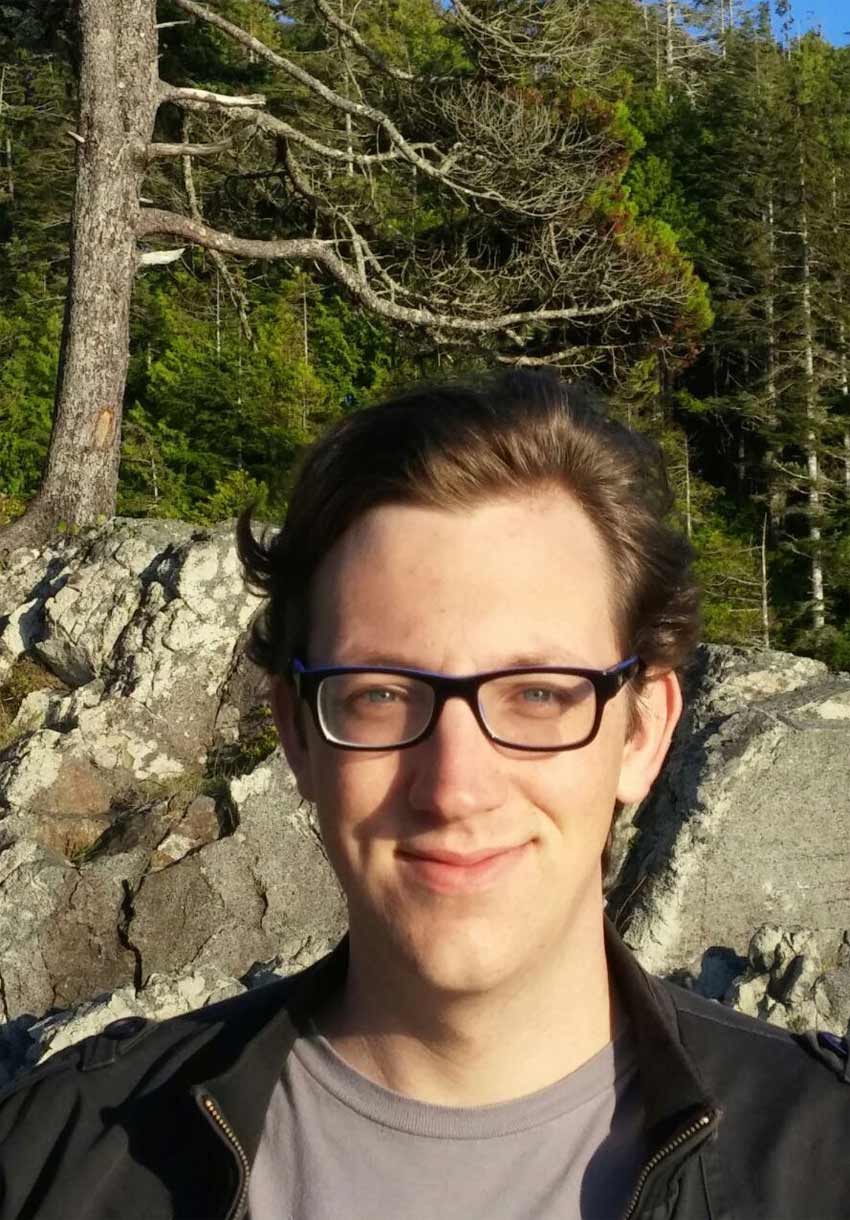
Why did you decide to pursue a graduate degree?
I decided to pursue a graduate degree in order to learn more about my field of study and to satisfy my desire to study Latin American literature and popular culture. In the few years that I spent working after finishing my undergraduate degree, I found I was often thinking of possible research projects and areas that I wanted to learn more about. There is no better place to do those things than at university.
Why did you decide to study at UBC?
I decided to study at UBC mainly because of the interesting research being done by the professors in the FHIS department, but I also took into account the prestige of the University and the funding opportunities available here. Another important aspect for me was the chance to teach beginner Spanish courses as a Teaching Assistant. Of course, I didn't forget the beautiful climate and surroundings!
What is it specifically, that your program offers, that attracted you?
My supervisor's research on film and visual culture in Latin America definitely attracted me since it aligns closely with my interest in comics. That said, I also was interested in the research of the other professors and the graduate students of the department. It seemed like a productive, fertile place to learn. The department also encourages travel and international exchange, which I think is important, especially in my field.
What was the best surprise about UBC or life in Vancouver?
The best surprise was to find such a great support network and a group of friends in the FHIS department.
What aspect of your graduate program do you enjoy the most or are looking forward to with the greatest curiosity?
I enjoy interacting with my peers and professors and hearing about their research. I love the chance to learn new things every day and be surprised by ideas that I had never even considered. Of course, the graduate program is not always easy, but I've found that overcoming difficulties is one of the most satisfying things in life. I cannot wait to work on my thesis project!
I love the chance to learn new things every day and be surprised by ideas that I had never even considered.
What do you like to do for fun or relaxation?
I enjoy gardening, hiking, travelling and socializing with friends and family.
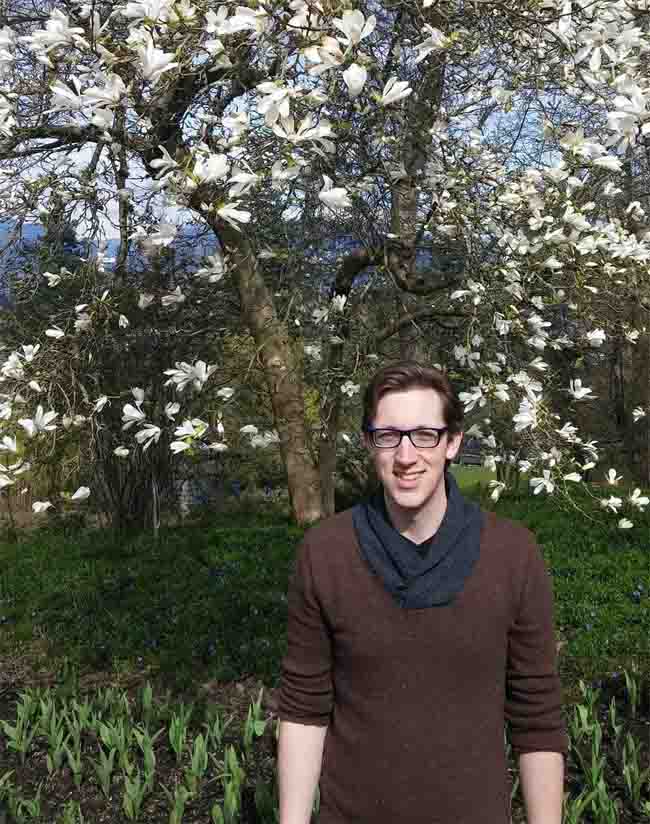
Learn more about Ross's research
The last decade has seen an upsurge in the production of new comic books in Colombia (both print and online). Produced by young people for young people, these small-scale creations present a new take on Colombian reality - one that is often overlooked by the country's mainstream media. Taking into account the context of Colombia's 52-year-old armed conflict between leftist guerrillas, paramilitary groups, and the state, my study explores how these comic books approach themes of violence against minorities and environmental destruction.