Michelle Coombe
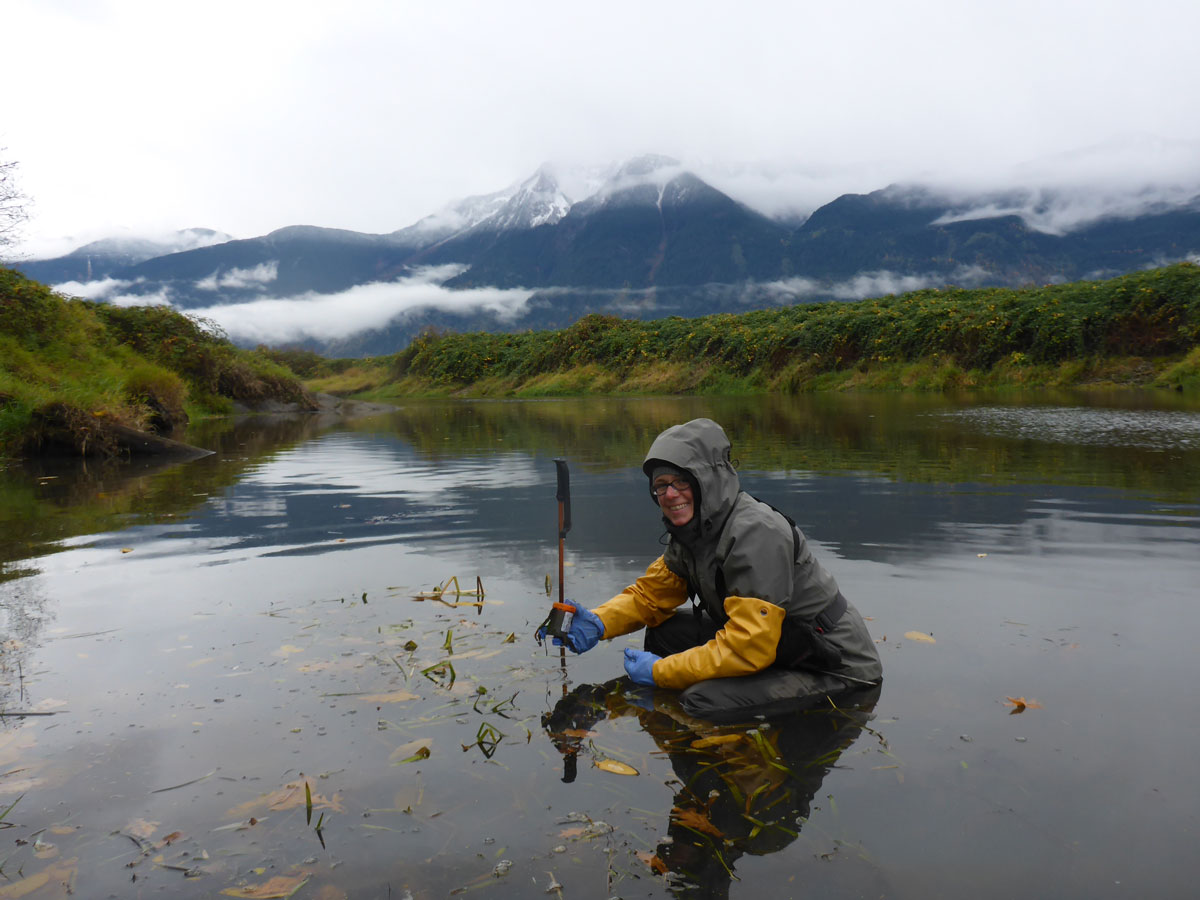
Environmental sampling for the surveillance of bird flu in wild waterfowl
Why did you decide to pursue a graduate degree?
As our world is becoming ever more connected, we are starting to better understand the importance of the interlinked nature of human, animal, and ecosystem health. Zoonotic diseases of wildlife origin--those that transmit from wild animals to humans--have been increasing and emphasize that health needs to be approached from a more holistic perspective. My prior training in ecology and veterinary medicine provided me with an understanding of the One Health approach, but pursing a graduate degree gives me the tools to investigate and make an impact on the drivers of zoonotic diseases.
Why did you decide to study at UBC?
UBC allows me to reach my research goals by offering courses focusing on quantitative epidemiological methods, mentorship from a supportive committee, and a collaborative research atmosphere.
What is it specifically, that your program offers, that attracted you?
Receiving expert guidance on infectious disease surveillance from both animal and human health perspectives.
What was the best surprise about UBC or life in Vancouver?
Discovering all the cherry blossoms that turn the streets pink during spring!
What aspect of your graduate program do you enjoy the most or are looking forward to with the greatest curiosity?
I enjoy being exposed to many unfamiliar fields of research and the opportunity to learn new skills.
What do you see as your biggest challenge(s) in your future career?
I feel that one of the greatest challenges with the surveillance of zoonotic diseases is ensuring that research results can turn into actionable policy that still meets the disparate needs of stakeholders.
How do you feel your program is preparing you for those challenges?
Undertaking my research through UBC allows me to learn better risk communication as well as the opportunity to work with different stakeholders in my field so I can better understand their needs.
What do you like to do for fun or relaxation?
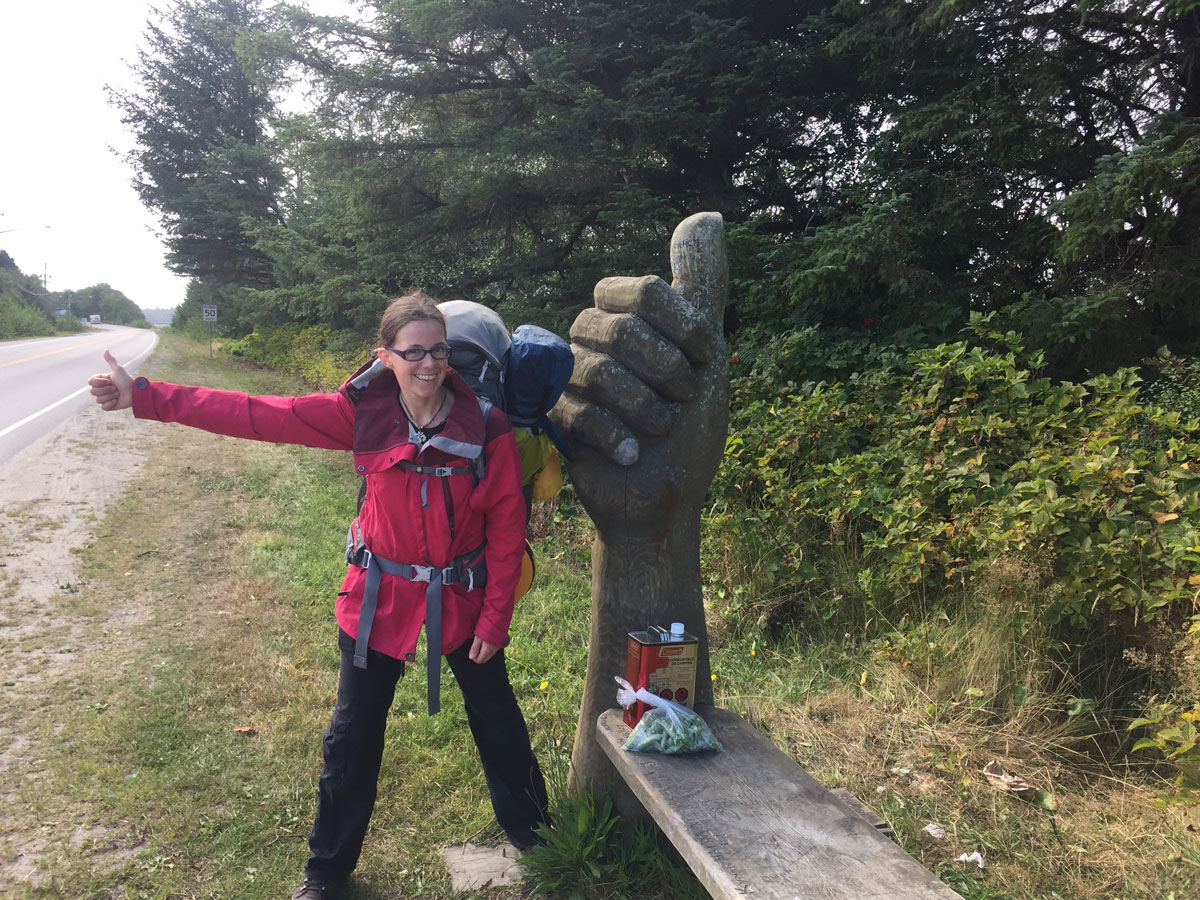
Rock climbing, backpacking, skiing, and basically anything that involves being outside in the mountains.
What advice do you have for new graduate students?
Develop a good network of colleagues and classmates--this make your time as a graduate student enjoyable and helps to provide support for when you need advice.