Archived Content
This student profile has been archived and is no longer being updated.
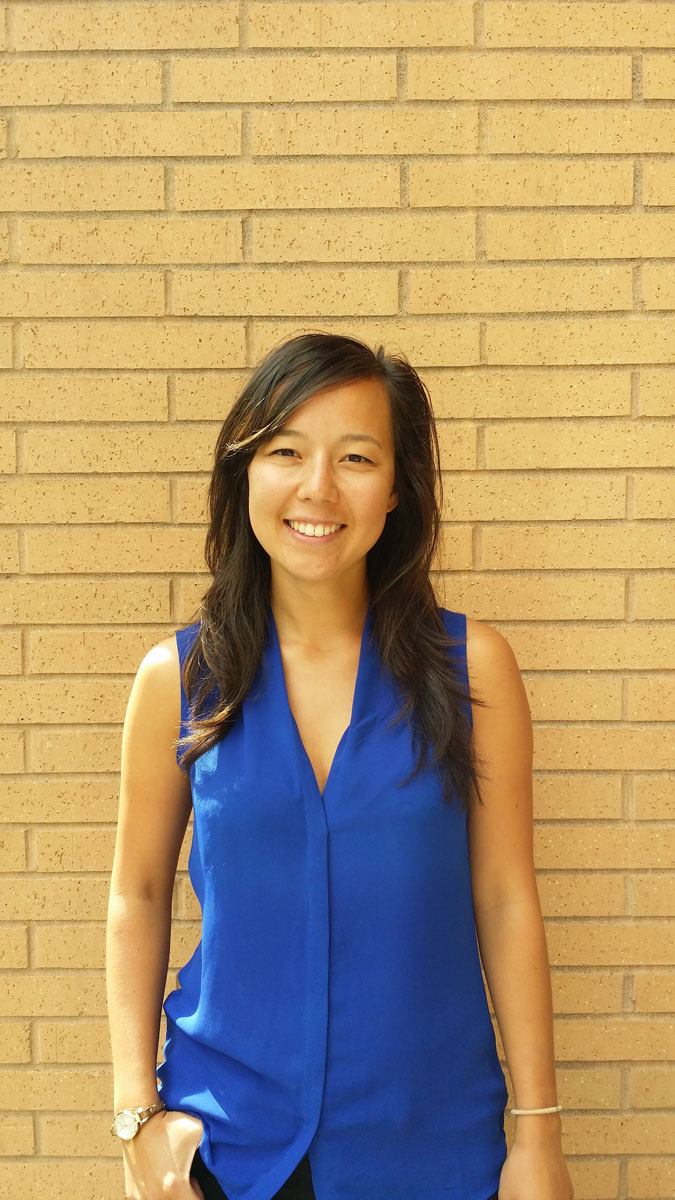
My research experiences at Queen's University with Dr. Éric Dumont truly enhanced my undergraduate academic experience and stimulated my interest in neuroscience and the scientific process. My clinical exposure volunteering with people with psychosis and addictions in Vancouver motivated me to get involved in this area. I felt driven to learn more, gain new skills and contribute to the field of mental health and addictions.
UBC has a strong neuroscience program supported by many prominent researchers in cellular, systems, and clinical neuroscience. I had studied and helped at Dr. Borgland's neuropharmacology research lab in previous summers and enjoyed the UBC community and the balanced, active lifestyle I could maintain in Vancouver.
I was eager to bridge neuroscience training with improving community health care through innovative clinical research with Dr. Bill Honer and the Hotel Study, a longitudinal observational cohort study in the Downtown Eastside. The MD/PhD program allows me to approach addictions and mental health from both clinical medicine and research perspectives.
Last winter, following an afternoon of snowshoeing on Cypress Mountain (Hollyburn Peak), my friends and I clambered down to the Hollyburn lodge to find a rip-roaring dance party tucked away in the snowy woods. Vancouver never ceases to surprise me; beauty and peace and sometimes a great dance party can be found around every turn!
I enjoy the collaborative atmosphere of graduate studies. I feel incredibly lucky to work so closely with such brilliant and accomplished researchers, and I appreciate their willingness to hear my ideas and work as a team.
Managing my pursuits in clinical medicine and research as well as my interests outside of school and family and friends within a 24-hour day has been a challenge. However, all of these components are so important to me that I do my best to strike a balance every day.
I am very lucky to have excellent mentors who model a balanced life of family, research, and clinical practice.
My family has been infinitely supportive of me and my pursuits. My parents believed that I could become anything I wanted if I committed myself, and through their love I developed the confidence to pursue my dreams of becoming a physician advocate.
British Columbia offers some of the most breath-taking landscape that can be readily explored with a bit of time and energy! During my time in graduate school, I’ve had the opportunity to explore the coast by hiking its peaks, kayaking its swells, and ski touring its slopes. I also enjoy a regular yoga practice, going to concerts, and sharing sushi on the beach with friends.
Delve into something you care a lot about and this passion will support you through busy, challenging and frustrating periods of your research experience. Keep an open mind, a playful spirit, and look out for opportunities along the way!
Mental illness and substance dependence are complex disorders that represent the interaction of multiple factors including family history, environmental circumstances, and life experiences. In Vancouver's Downtown Eastside, high rates of multimorbid physical, mental, and substance disorders demonstrate considerable need for innovative health interventions and integrated prevention approaches. I intend to identify life course factors and ongoing behaviours that contribute to improved mental health trajectories in a marginalized population. I intend to identify groups of individuals following distinct trajectories of psychotic and depressive symptom severity, social and occupational function, or neurocognition over the study period. I will determine unique features shared by individuals following a trajectory toward improved mental health. Through the proposed studies, we hope to better understand the trajectories of several mental health outcomes and resilience factors in a high-risk population. This approach may offer new avenues to develop sustainable, individualized, and effective interventions in the Downtown Eastside and other complex, disadvantaged communities.